How Biometric Feedback from Training Devices Reshapes Customized Wager Structures in Endurance Athletics Circuits Worldwide
Zoe Schmitz · Sep 15, 2026
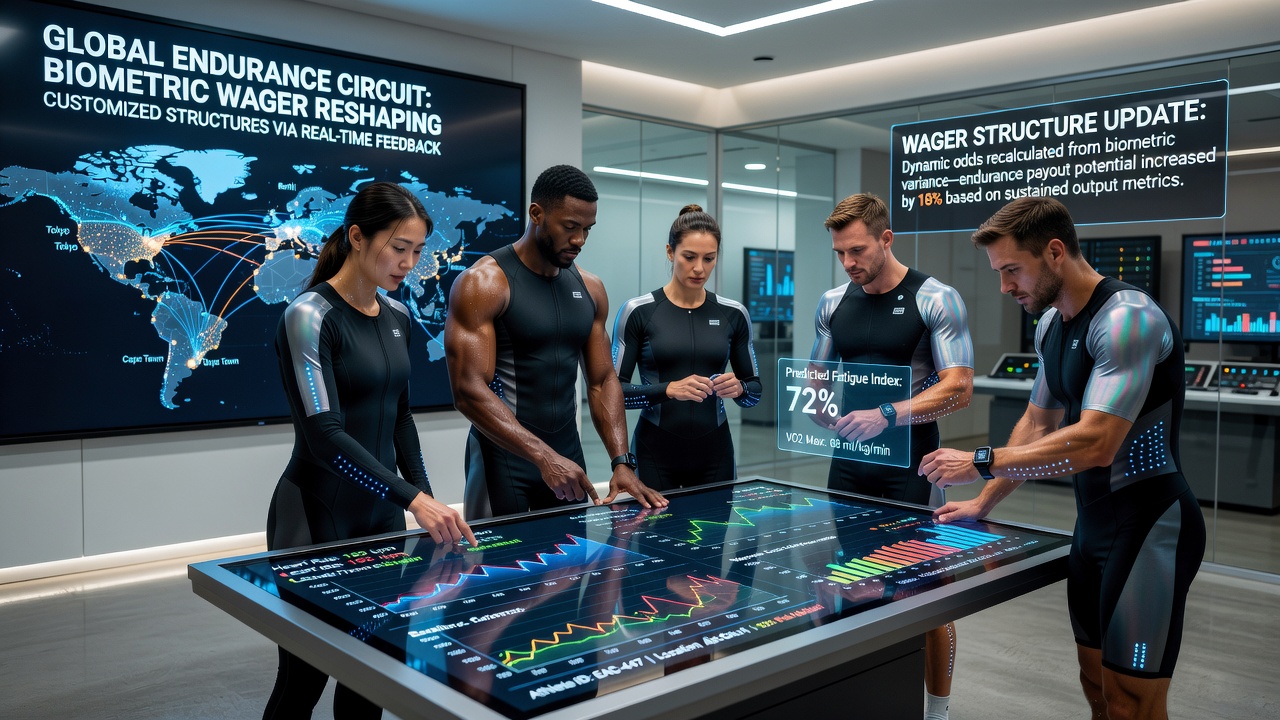
How Biometric Feedback from Training Devices Reshapes Customized Wager Structures in Endurance Athletics Circuits Worldwide
Biometric feedback from devices such as heart rate monitors, GPS trackers, and recovery sensors now feeds directly into the algorithms that shape wager structures across global endurance circuits, and operators adjust individual athlete probabilities based on real-time training metrics collected throughout the season.
Devices record variables including heart rate variability, training load, sleep patterns, and oxygen uptake estimates, while betting platforms incorporate these data points to create personalized prop bets and handicap adjustments that reflect an athlete's current physiological state rather than historical performance alone.
Integration of Wearable Data into Betting Models
Operators collect anonymized biometric streams from training platforms and combine them with race-day conditions to recalibrate odds on events ranging from Ironman triathlons to ultra-marathon circuits, and this process allows bookmakers to offer wager types such as performance bands tied to an athlete's recovery score or predicted pacing zones derived from recent device uploads.
Research indicates that heart rate variability readings taken in the final two weeks before competition correlate with finish-time variance in long-distance events, so platforms use these indicators to set dynamic lines that shift as new training data arrives, and this approach differs from traditional models that rely solely on past race results and weather forecasts.
Regional Adaptations in Endurance Wagering Markets
European circuits have seen operators introduce accumulator bets that factor in multiple athletes' biometric profiles from training camps in the Alps and Pyrenees, whereas North American platforms focus on single-event props where device data determines whether an athlete meets projected power output thresholds during key segments of a race.
Australian markets link biometric thresholds to payout multipliers for ultra-endurance events in the outback, and data from national sports institutes shows increased handle on these customized structures since platforms began integrating recovery metrics in early 2026.
Platforms in South America adjust live betting windows based on pre-race training load data uploaded by athletes competing in high-altitude marathons, which creates opportunities for wagers on whether an athlete maintains target heart rate zones during specific elevation gains.
Regulatory Considerations and Data Standards
Regulatory bodies across multiple jurisdictions require operators to disclose how biometric inputs influence odds calculations, and guidelines issued by the Australian Communications and Media Authority emphasize transparency around data sources used for endurance event wagering products.
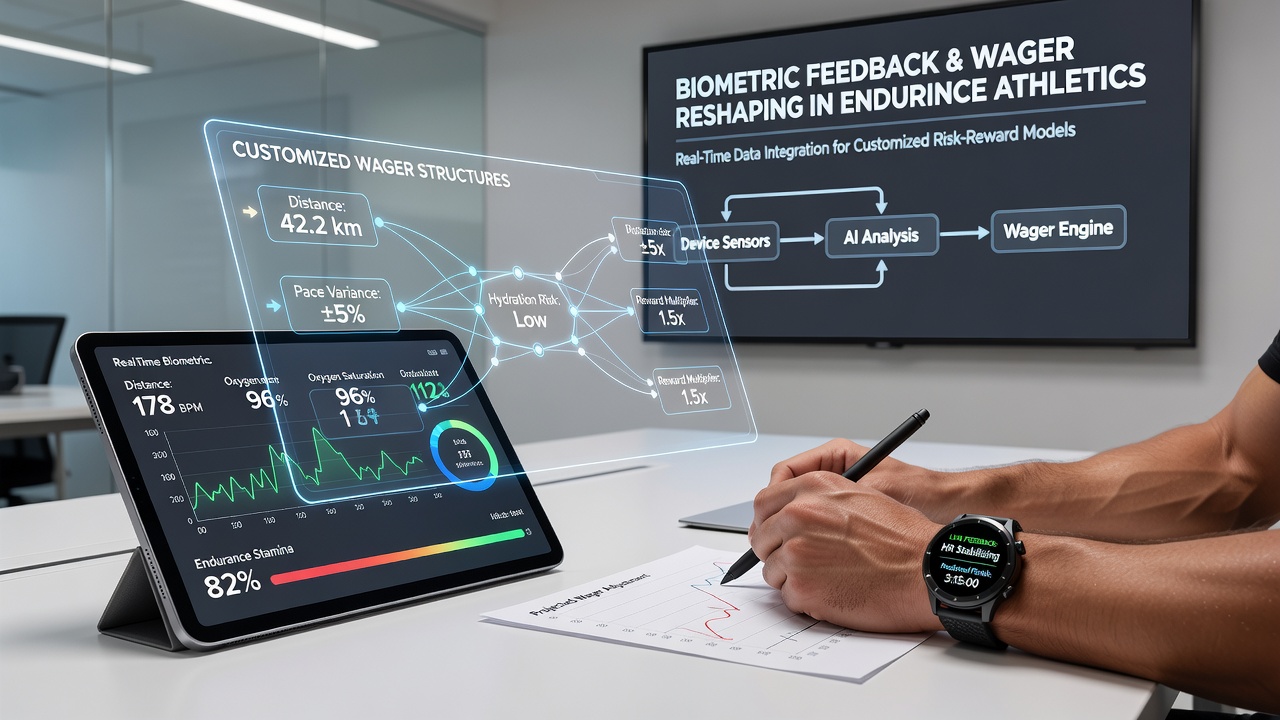
Industry reports from the European Gaming and Betting Association note that standardized data protocols help prevent misuse of personal health information while still allowing platforms to refine risk models for prop bets on events such as cycling grand tours and trail running championships.
Examples from Specific Circuits
One study of the 2026 European ultra-running series found that operators revised opening lines on several athletes after reviewing elevated training load figures from wearable uploads, and those adjustments produced measurable shifts in wager volume on underdog selections.
In North American trail running events held during September 2026, platforms introduced recovery-index props that paid out when an athlete's sleep data stayed within defined parameters during race week, and these structures attracted participation from users who previously focused only on outright winners.
Asian endurance circuits have incorporated device-derived power metrics into live betting options for multi-stage cycling races, where operators update thresholds after each stage based on fresh biometric feeds.
Conclusion
Biometric integration continues to expand the range of wager structures available in endurance athletics, and platforms that combine training device outputs with traditional performance data produce more granular betting options across international circuits. Observers note that continued development of data standards will determine how widely these customized structures appear in additional regions by the end of 2026.